Recycling and Sustainability — Business Waste Removal Chigwell
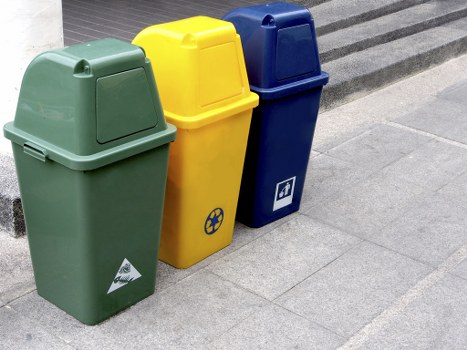 Business Waste Removal Chigwell is committed to delivering an eco-friendly waste disposal area and a truly sustainable rubbish area for local businesses. Our approach blends practical on-site segregation with strategic partnerships to keep usable materials in circulation, reduce landfill, and lower carbon output from collection operations. Whether you operate a small shop, an office, or a light industrial unit, our commercial waste removal Chigwell services are designed to meet modern environmental expectations while remaining cost-effective.
We publish a clear recycling percentage target to drive continuous improvement: an ambitious goal of achieving a 60% recycling rate by 2026 with a longer-term aim of 70% by 2030 for all business-collected waste streams. These targets are based on current materials recovery technologies and the boroughs' evolving approach to waste separation, which increasingly favours separate streams for food, glass, paper and mixed recyclables. Our data-driven audits track performance and highlight opportunities to increase reuse and material diversion.
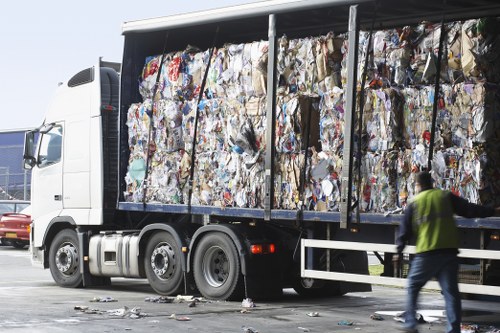
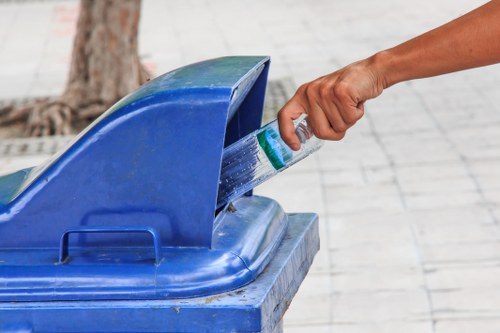 The strength of our service lies in intelligent routing to nearby transfer stations and materials recovery facilities (MRFs) across Essex and Greater London that handle commercial loads efficiently. We regularly use local transfer stations and consolidation points that prioritize sorting and processing rather than defaulting to landfill. Our waste removal in Chigwell model routes business waste to the nearest permitted MRFs, anaerobic digestion plants for food waste and specialist e-waste processors for WEEE, ensuring each material ends up in the right circular channel.
Creating a genuine sustainable rubbish area involves more than collection: it requires reuse pathways. We maintain active partnerships with charity organisations and local social enterprises to rehome furniture, office equipment, textiles and functional electronics. Prominent national and regional partners include furniture and clothing charities and local community shops that accept commercially donated wares. These collaborations reduce waste handling costs for businesses and divert large, reusable items away from disposal routes.
Charity partnerships and rehoming activity
Our charity programmes facilitate selective collection for repair and resale. We segregate items at source and coordinate direct transfers or scheduled collections for charities such as local furniture re-use groups and national collector networks that operate in the Epping Forest and adjacent boroughs. Typical rehoming activity includes:- Office furniture refurbishment and donation to community projects
- Textile and uniform collection for local charity shops
- Working electronics and peripherals channelled to refurbishment centres (WEEE reuse)
These actions not only support local causes but also extend the economic life of materials, aligning with the boroughs' approach to waste separation and local re-use strategies. We document each donation and maintain transparent reporting so customers can see the positive outcomes of reuse initiatives.
Low-carbon fleet and green logistics
Our fleet strategy is central to reducing the carbon impact of business waste removal in Chigwell. We operate a growing number of low-carbon vans including electric and hybrid vehicles for shorter urban rounds, complemented by Euro VI standard vehicles for heavier loads. Route optimisation, load consolidation and telematics are used to lower fuel consumption and idling time. We have set an internal fleet emissions reduction target of 40% by 2027 compared with our 2022 baseline, supported by regular maintenance and driver eco-training.Operational standards for an eco-friendly waste disposal area
To maintain high environmental standards we apply recognised best practices across collection, transfer and processing stages. Regular waste audits identify contamination rates and inform training for site staff and customer teams so segregation at source improves outcomes. We encourage businesses to adopt simple measures like dedicated bins for paper, glass, cans, and food waste separate from general waste, mirroring the multi-stream approach promoted by many local authorities around Chigwell.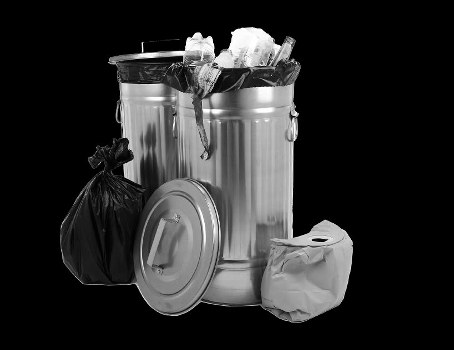 Practical services for a sustainable rubbish area include tailored waste audits, on-site segregation advice, managed skip and container services with clear labelling, dedicated food waste collections, and secure data-wipe options for IT equipment. We also support construction and refurbishment projects through selective material recovery: timber, brick, metal and inert materials are sorted for reuse or specialist recycling. These steps help businesses meet regulatory requirements and internal sustainability targets while feeding materials back into local supply chains where possible.
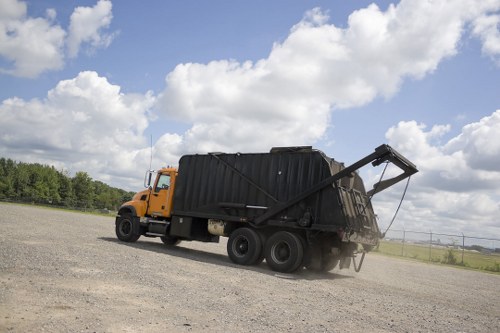
Transparent targets, local collaboration and continuous improvement
Transparency matters: we produce regular performance reports showing progress toward our recycling percentage target and the carbon performance of collections. Continuous improvement initiatives include pilot schemes for segregated food waste from business cafeterias, on-site compacting to reduce collection frequency, and trialling new low-emission collection vehicles as they become available.Our focus on a verifiable eco-friendly waste disposal area and a resilient sustainable rubbish area contributes directly to local circular economy goals. By partnering with local transfer stations, charities and specialist processors, and by investing in low-carbon vans and smarter logistics, we make it easier for businesses in Chigwell to reduce waste, increase recycling rates and lower the environmental impact of their operations.
In summary: our approach to business waste removal Chigwell combines ambitious recycling targets, local transfer station use, charity partnerships for reuse, and a low-carbon vehicle fleet to deliver an effective, sustainable solution for commercial waste. We measure, report and improve—helping local businesses convert waste from a problem into a resource.
