Health & Safety Policy for Business Waste Removal Chigwell
 Business Waste Removal Chigwell maintains a comprehensive health and safety policy to protect employees, clients and the public during all commercial waste operations. The policy governs safe practice for the full range of services we provide, from business rubbish clearance inside premises to outdoor skip loading and vehicle-based rubbish removal across the service area. It clarifies roles, responsibilities and the controls required to mitigate hazards associated with daily operations and exceptional tasks. The aim is to ensure every job is completed without harm, with an emphasis on prevention, preparedness and proportionate response.
This policy applies to all staff, subcontractors and temporary personnel engaged in rubbish removal Chigwell activities. Managers are required to carry out and document risk assessments before work starts, implement safe systems of work and ensure that staff have appropriate training and supervision. Workers are expected to follow procedures, wear specified personal protective equipment and report hazards or near misses. Commitment to safety is reflected in regular reviews, audits and the continuous improvement of working practices.
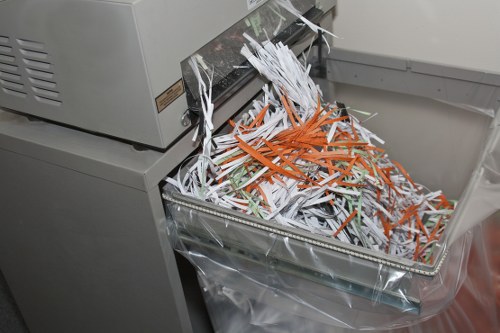 The scope includes handling mixed business waste streams, segregation for recycling, secure containment of potentially hazardous items, and the safe operation of plant and vehicles. For commercial waste collection Chigwell tasks that involve lifting heavy or awkward items, teams must use mechanical aids and coordinated methods. The policy sets out emergency response arrangements for incidents such as spillage, fire or injury, and requires that first aid provision and access to medical assistance are maintained at all operational sites. Regular drills and scenario planning help maintain readiness.
Operational Controls, Training and Equipment
Safe systems of work are established to manage the risks inherent in waste removal, including traffic management, load security and manual handling. Supervisors are responsible for planning collections to reduce exposure to hazards, ensuring vehicles are correctly loaded and that waste is transported safely to authorised disposal points. Vehicle checks, maintenance schedules and documented pre-start inspections form part of daily routines to prevent equipment-related incidents. The policy also addresses ergonomics, posture, and work rotation to reduce musculoskeletal injuries.
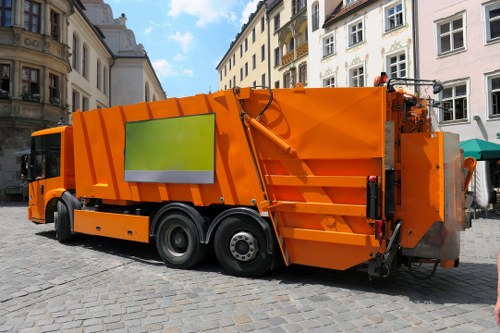 Training is tailored to job roles and covers induction, practical skills, legal awareness and emergency procedures. Staff receive instruction on correct use of PPE, safe operation of lifting equipment, and handling of hazardous materials or asbestos-containing items when encountered. Health surveillance is arranged where hazards warrant it, and fitness for work assessments are used for safety-critical roles. Performance is monitored through observed practice, competency checks and refresher sessions to ensure standards remain high in the rubbish company service area.
To support safe working there are documented procedures and records. These include risk assessments, method statements, incident logs and maintenance records. A sample checklist of controls includes:
- PPE: hi-visibility garments, gloves suited to waste type, safety boots and eye protection.
- Traffic and site safety: signage, cones, banksman procedures and clear pedestrian segregation.
- Waste segregation: correctly labelled containers, segregation of recyclables, and procedures for hazardous items.
Monitoring, Review and Corporate Responsibility
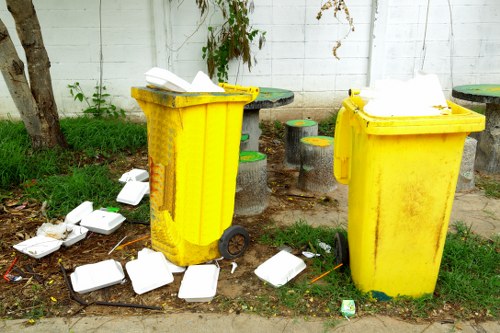 Monitoring and review mechanisms ensure the policy remains effective and relevant. Regular audits, incident trend analysis and employee feedback feed into a continuous improvement cycle. When incidents occur, investigations identify root causes and lead to corrective actions, revised procedures or additional training. The organisation records lessons learned and updates risk assessments and written procedures accordingly. Management reviews the policy at planned intervals and after any significant event to ensure ongoing suitability.
Environmental protection and regulatory compliance form part of the broader responsibility. While not a substitute for regulatory guidance, the policy promotes best practices for waste minimisation, recycling and safe disposal to reduce environmental harm. Suppliers and subcontractors are assessed for competency and required to adhere to the same safety standards when operating within the service area. Responsible waste management reduces legal risk and supports sustainable business operations.
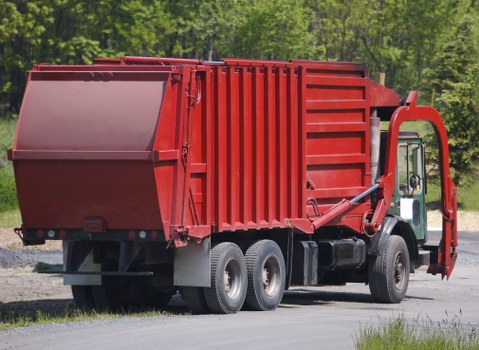 Enforcement and communication are clear: breaches of safety procedures may result in disciplinary action, and serious negligence can lead to suspension or dismissal where appropriate. Conversely, safe performance is recognised and reinforced through regular briefings and positive reinforcement. All staff are encouraged to contribute to safety discussions and propose improvements. Open communication and a shared culture of care are essential to maintaining safe rubbish removal and commercial waste collection services across the business area.
