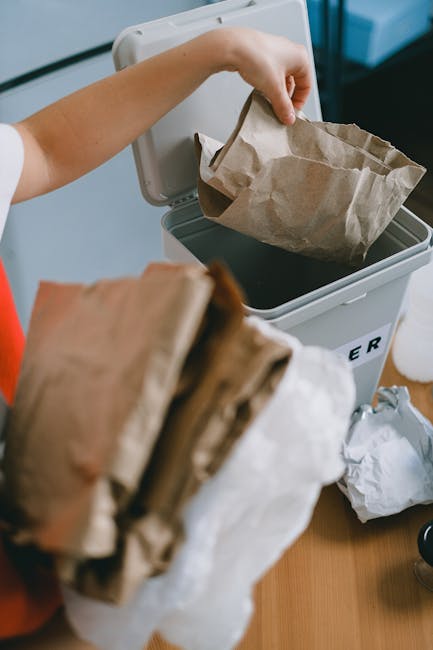
IG7 household rubbish collections guide for Chigwell flats
If you live in a Chigwell flat, rubbish has a way of becoming a bigger job than you expected. One broken chair in the hallway, a few bin bags after a clear-out, a bulky mattress you cannot squeeze downstairs without help - and suddenly the simple stuff turns awkward. This IG7 household rubbish collections guide for Chigwell flats is here to make that easier. It explains how collections work, what to do in a flat, what to avoid, and how to keep everything safe, tidy, and properly handled.
Truth be told, flat living changes the whole rubbish picture. Shared entrances, limited storage, narrow stairwells, parking restrictions, and neighbours who would rather not hear a sofa scraping down the landing at 7 a.m. all matter. The good news? With a sensible plan, you can get rid of household rubbish without stress, mess, or guesswork.
Table of Contents
- Why IG7 household rubbish collections guide for Chigwell flats Matters
- How IG7 household rubbish collections guide for Chigwell flats Works
- Key Benefits and Practical Advantages
- Who This Is For and When It Makes Sense
- Step-by-Step Guidance
- Expert Tips for Better Results
- Common Mistakes to Avoid
- Tools, Resources and Recommendations
- Law, Compliance, Standards, or Best Practice
- Options, Methods, or Comparison Table
- Case Study or Real-World Example
- Practical Checklist
- Conclusion
- Frequently Asked Questions
Why IG7 household rubbish collections guide for Chigwell flats Matters
Flat residents in IG7 tend to face a few extra hurdles that house owners often do not. There is less space to store waste, less flexibility on collection day, and more chance that household rubbish becomes a shared nuisance if it is left in the wrong place. That matters not just for convenience, but for hygiene, safety, and neighbour relations too.
A well-run household rubbish collection system helps you avoid overflow, odours, pests, and that familiar "I'll deal with it tomorrow" pile-up. In a flat, tomorrow has a habit of turning into next week. And next week is when bags split, liquids leak, and corridors start looking untidy. Not ideal.
This guide also matters because flat rubbish is rarely just one thing. You might be dealing with mixed household waste, cardboard from an online delivery spree, small electricals, a wobbly bedside table, or old bedding. Different items need different handling. If you know what belongs where, you save time and reduce the chance of a rejected collection or an unnecessary extra trip.
For larger clear-outs, it can also help to compare your options with a dedicated service such as waste removal or, for more specific items, house clearance and flat clearance. Those pages are useful if your household rubbish has grown beyond the standard bin bag stage.
How IG7 household rubbish collections guide for Chigwell flats Works
In practical terms, household rubbish collection for flats works best when it is organised around three questions: what do you have, how much of it is there, and how easy is it to move safely from the flat to the collection point?
Start by separating everyday rubbish from bulky items. Everyday rubbish is the usual mixed waste from kitchens, bathrooms, and living spaces. Bulky items are things like furniture, mattresses, appliances, or a stack of broken household items that do not fit in standard bins. If you mix everything together, collection becomes slower and more expensive to sort.
In a flat, access matters just as much as volume. Can items be carried down stairs? Is there a lift? Is there a secure entrance or timed access window? Will parking be a problem outside the block? These little details can shape the whole job. A collection that sounds straightforward on paper can get messy fast if nobody has planned the route out.
It also helps to think about disposal routes. Some waste can be taken away as general household rubbish, while other items may need specialist handling. Fridges, for example, are not just another bulky item. For that kind of job, a service like fridge and appliance removal is more appropriate. Likewise, damaged sofas and worn-out beds often benefit from mattress and sofa disposal rather than being left to chance.
One simple rule saves a lot of trouble: if you would hesitate to put it in a normal bin, pause and identify it properly before collection day. That small moment of thought can prevent a lot of swearing in the hallway later.
Key Benefits and Practical Advantages
When household rubbish is handled properly in a Chigwell flat, the benefits are immediate and very visible. The flat feels calmer, the shared areas stay cleaner, and you do not end up stepping over old boxes every time you need the kettle. Small things, but they add up.
- Less clutter in living spaces: rubbish leaves the flat sooner, which makes rooms easier to clean and use.
- Better hygiene: faster removal reduces smells, spills, and food waste problems.
- Safer access routes: hallways, stairs, and entrances remain clear for residents and visitors.
- Fewer neighbour issues: less noise, less obstruction, and less chance of complaints.
- More efficient sorting: separating bulky, recyclable, and special waste improves the overall process.
There is also a financial angle, even if it is not always obvious at first. Poorly sorted rubbish often takes longer to handle. More time usually means more cost. A clear, tidy load is simply easier to manage. It is the same logic as packing a suitcase: organised wins every time, even if it looks a bit overenthusiastic for the first five minutes.
If sustainability matters to you, it is worth exploring options that support reuse and recycling where possible. The company's recycling and sustainability information is a sensible starting point if you want to understand how waste can be managed more responsibly.
Who This Is For and When It Makes Sense
This guide is for anyone living in a Chigwell flat who needs to deal with rubbish that is bigger, messier, or more frequent than the normal bin routine. That includes tenants, leaseholders, landlords, letting agents, and property managers. If you are preparing for a move, a tenant handover, a spring clear-out, or a post-renovation tidy-up, you will likely find yourself needing a more structured approach.
It makes particular sense when you have one or more of the following:
- bulky household items that do not fit in standard bins
- multiple bin bags after a declutter or end-of-tenancy clean
- mixed waste from flat refurbishment or redecorating
- old furniture that needs careful removal from a tight space
- shared-bin frustration in a block where waste builds up quickly
A practical example? A one-bedroom flat near a busy road can fill up with packaging, broken storage furniture, and old kitchen bits surprisingly quickly. By the time you have stacked everything by the door, the flat already feels smaller. In that situation, household rubbish collections stop being an admin task and start being a liveability issue.
For landlords and agents, the need can be even more urgent. A clear, presentable flat is easier to re-let, and rubbish left behind between tenancies can create avoidable delays. If a property needs a deeper clear-out rather than just bagged rubbish removal, home clearance and furniture clearance may be better fits.
Step-by-Step Guidance
If you want this to go smoothly, keep the process simple. Overcomplicating rubbish collection is one of those things people do when they are tired, rushed, or surrounded by boxes. So let's break it down.
- Sort the waste first. Separate general rubbish, recyclables, bulky items, electricals, and anything that may need special handling.
- Check access. Look at stairwells, lifts, parking, loading space, and any building rules about collections.
- Group items by handling needs. Heavy furniture, bagged waste, and fragile or messy items should not all be left in one heap.
- Remove hazardous or restricted materials. Do not mix in paint, solvents, chemicals, or other problematic waste with ordinary household rubbish.
- Prepare the route out. Clear the hallway, protect corners if needed, and make sure doors can open safely.
- Choose the right collection type. Standard rubbish, bulky item removal, or a broader clearance may each need a different approach.
- Confirm timing and handover details. In flats, a 10-minute misunderstanding can turn into a blocked entrance or missed collection.
A useful habit is to do a final walk-through before the collection arrives. Look behind doors, under beds, inside cupboards, and in balcony corners. That is where forgotten waste likes to hide. A bag you nearly missed can be the thing that causes a second trip. Annoying, but fixable.
If you are unsure what can safely go with a particular load, the page on what can go in a skip can help you think more clearly about what counts as acceptable mixed waste and what does not. Even if you are not using a skip, the principles are still useful.
Expert Tips for Better Results
In our experience, the best rubbish collections in flats are the ones that look slightly boring from the outside. No drama, no last-minute panic, no mystery bag of mixed junk being discovered after the lift has gone back up. Boring is good here.
Tip 1: Use sturdy bags and do not overfill them. A bag that looks efficient in the kitchen can become a pain in the stairwell. If it bulges, split it.
Tip 2: Keep liquids out of bagged rubbish whenever possible. Leaks make everything worse - floors, lifts, hands, and tempers.
Tip 3: Put the heaviest items closest to the exit path only when you are ready. Leaving them in a narrow corridor "for now" often means they become permanent residents.
Tip 4: Photograph the load if you are managing the collection for a landlord or tenant handover. It creates a simple record and reduces confusion later.
Tip 5: Separate sentimental or reusable items before the team arrives. People often find books, kitchenware, or small storage pieces they could donate or pass on. That saves waste and sometimes a little money too.
If the job includes larger domestic pieces, it may be worth reviewing options like furniture disposal or the broader house clearance service. Those are especially helpful when a few small items have quietly turned into an entire room's worth of stuff.
Expert summary: The cleanest collections are planned from the inside out - sort first, clear access second, and only then schedule removal. That sequence saves time, reduces risk, and keeps flat living from turning into a mildly chaotic obstacle course.
Common Mistakes to Avoid
The most common mistake is leaving everything until the collection day and hoping it will sort itself out. It rarely does. Waste in flats is awkward enough without a same-day sorting marathon.
Another big one is assuming all rubbish is treated the same. It is not. General household rubbish, bulky waste, mattresses, appliances, confidential paper, and hazardous materials should not be handled as one category. If you have sensitive documents, for instance, confidential shredding is worth considering instead of tossing paperwork into mixed waste.
Here are the mistakes that cause the most hassle:
- mixing ordinary rubbish with hazardous items
- blocking shared corridors or exits with bags and furniture
- forgetting to check flat management or building access rules
- underestimating how much waste a flat clear-out actually produces
- assuming bulky electrical items can be left with everyday rubbish
There is also the "I'll just leave it by the bin store" approach. That one causes more complaints than people expect. In a block, shared spaces are shared for a reason. If something cannot be left safely, neatly, and in line with building expectations, it should not be dumped there and forgotten about. Harsh? Maybe. True? Absolutely.
Tools, Resources and Recommendations
You do not need a van-load of equipment to manage household rubbish in a flat, but a few simple tools make the process much smoother.
- Heavy-duty bin bags: better for dense rubbish and less likely to split in communal areas.
- Sturdy gloves: useful when handling mixed waste, cardboard, or sharp-edged items.
- Moving blankets or corner protectors: handy for larger items through narrow hallways.
- Labels or marker pens: useful if you are separating general waste from items to keep, donate, or recycle.
- Trolley or sack truck: practical if your building allows it and the route is suitable.
On the service side, a sensible place to compare options is pricing and quotes. Clear pricing helps you understand whether a small load, bulky item removal, or a bigger clearance is the best fit. If you are planning a larger job, you may also want to look at book online for convenience and timing.
For background on standards and service approach, the company's health and safety policy and insurance and safety information are sensible reads. They help you judge how a provider thinks about risk, access, and the practical realities of flat collections.
Law, Compliance, Standards, or Best Practice
Household rubbish collections are not just about convenience. There is a basic duty of care around how waste is stored, moved, and handed over. In plain English: you should make sure rubbish is passed to a suitable collector and not left in a way that creates risk for others.
In flats, this is particularly relevant because communal spaces are shared. Waste left in corridors, fire exits, or entrances can create safety concerns. It can also lead to building management issues or complaints from neighbours. Best practice is straightforward: keep access routes clear, separate special items from ordinary rubbish, and use a collection method that suits the material and the property layout.
Hazardous items deserve extra caution. Paint, solvents, chemicals, and similar materials should not be mixed into a household load without checking how they need to be handled. If you have anything questionable, a specialist route is safer than guessing. That is the sort of mistake that seems minor until it is not.
Compliance also includes honest description. If you book a collection for a small load and it turns out to be a full flat clearance, the process will slow down or need to be revised. Being clear about the volume and type of waste makes the service more reliable for everyone involved.
For broader ethical and operational reassurance, you can also review the company's modern slavery statement and about us information. They help show the wider standards behind the service, not just the collection itself.
Options, Methods, or Comparison Table
There is more than one way to deal with rubbish from a Chigwell flat. The right choice depends on what you have, how quickly it needs to go, and how awkward the access is. Here is a simple comparison.
| Method | Best for | Pros | Watch-outs |
|---|---|---|---|
| Routine household bin collection | Everyday bagged rubbish | Simple, familiar, low effort | Not suitable for bulky items or overflow |
| Bulky item removal | Mattresses, sofas, appliances, single large items | Efficient for awkward pieces | Access and item type must be clear in advance |
| Flat clearance | End of tenancy, move-outs, major declutters | Covers mixed contents and larger volumes | Needs more planning and clearer item lists |
| General waste removal | Mixed household rubbish beyond normal bins | Flexible and practical | Hazardous or specialist waste may need separate handling |
If the issue is mostly furniture, the most relevant path may be furniture clearance rather than a general rubbish collection. If the property is being emptied in a more complete way, flat clearance is usually the more sensible option.
For garden-related overflow from ground-floor flats or terrace spaces, garden clearance can be useful too. A lot of flats have a surprising amount of "not quite indoors, not quite outdoors" waste. A bit odd, but there it is.
Case Study or Real-World Example
Imagine a two-bedroom flat in IG7 after a long-overdue declutter. There are eight bin bags of mixed rubbish, a broken bedside cabinet, a mattress, old kitchen packaging, and a pile of cardboard from deliveries that built up over months. Nothing dramatic on its own. Together, though, it is a proper job.
The first step is sorting. Cardboard is separated, bagged rubbish is tightened and grouped by weight, and the mattress is kept apart from the rest. The hallway is cleared so nothing blocks the exit. The resident checks the building access window and parking space before the team arrives. Simple, but crucial.
The collection then becomes straightforward rather than stressful. The bulky item is handled without damaging the staircase banister, the bagged waste is removed in stages, and the flat is left usable again the same day. That last bit matters. You can feel the difference when a room breathes again. Less clutter, less noise in your head too, oddly enough.
If the same flat had been completely emptied after a move, a broader service such as home clearance would probably have made more sense. The key is not forcing a small task into a big service, or vice versa. Choose the shape of the job properly and life gets easier.
Practical Checklist
Use this quick checklist before a collection day. It is basic, but it catches most of the avoidable problems.
- Sort rubbish into general, recyclable, bulky, and special items.
- Keep hazardous materials separate and never mix them with normal waste.
- Measure or estimate the amount of rubbish honestly.
- Check lifts, stairs, parking, and access timings.
- Clear communal routes so nothing blocks neighbours or exits.
- Bag loose waste securely and do not overfill bags.
- Separate furniture, mattresses, appliances, and paperwork if needed.
- Confirm who is responsible for access to the building.
- Review pricing or booking details before collection day.
- Do a final sweep of cupboards, balconies, and storage spaces.
If your collection includes larger household items, double-check whether a specialist option like mattress and sofa disposal or garage clearance better matches what you are dealing with. The right fit saves time and usually money too.
Get a free quote today and see how much you can save.
Conclusion
Household rubbish collections in Chigwell flats are much easier when they are treated as a planned job rather than a last-minute clean-up. Once you sort the waste, think about access, and choose the right collection method, the whole process becomes calmer and far more manageable.
The big lesson is simple: a flat has its own rules. Shared spaces, tight access, and varied waste types all change the job. Handle those details properly and you avoid mess, delays, and the kind of awkward conversation nobody wants in a communal hallway at 8 in the morning.
If you are standing in a flat right now looking at bags, boxes, or a bulky item you have moved three times already, take a breath. You are closer to sorted than it feels.
Frequently Asked Questions
What is the best way to organise household rubbish collection for a Chigwell flat?
The best approach is to sort the waste first, separate bulky items from general rubbish, check access conditions, and then book the right collection type for the load. That keeps the process simple and avoids surprises on the day.
Can I put all my flat rubbish into one mixed pile?
Not really, and it is usually a bad idea. General rubbish, recyclables, bulky furniture, appliances, and hazardous items should be separated where possible so the collection can be handled properly and safely.
What should I do with old furniture from my flat?
Old furniture is usually better handled through a furniture-focused service rather than mixed household rubbish. If you have more than one item, furniture disposal or furniture clearance may be more suitable.
How do I deal with a mattress in a flat?
Mattresses are bulky, awkward, and not fun to drag down stairs, let's be honest. A dedicated mattress and sofa disposal service is often the cleaner, safer option.
Are fridges and other appliances treated as normal rubbish?
No, they usually need separate handling. Fridges and appliances often require a more specific route, so fridge and appliance removal is the better fit.
What if my flat has narrow stairs or limited access?
That should be mentioned clearly before collection. Narrow stairs, no lift, parking issues, or restricted access can affect how items are moved and what equipment is needed.
How can I reduce rubbish in a small flat?
Declutter in short sessions, flatten cardboard, avoid letting packaging build up, and remove bulky items early. Small flats feel bigger almost immediately once the overflow is gone.
Is household rubbish collection different from flat clearance?
Yes. Household rubbish collection usually deals with bagged waste and smaller mixed items, while flat clearance is broader and usually covers more of the contents of a property.
What happens if I have confidential papers mixed in with rubbish?
Keep them separate if possible. Sensitive papers should be handled through a secure route such as confidential shredding rather than thrown into general waste.
How do I know if I need a general waste removal service or a clearance service?
If you mainly have bagged rubbish and a few awkward items, a general waste solution may be enough. If you are clearing multiple rooms, moving out, or dealing with several bulky items, a clearance service is usually more practical.
What is the safest way to prepare rubbish for collection in a flat?
Use strong bags, avoid overfilling them, keep walkways clear, separate specialist items, and make sure the route out of the property is safe for whoever is moving the waste.
Where can I find more information about booking or pricing?
You can review pricing and quotes for a clearer picture, and use book online if you are ready to arrange a collection. If you want a broader sense of the business behind the service, the about us page is also helpful.
Need a clean, practical next step? Start with the type of waste you have, then choose the collection method that fits the flat, not the other way round. That little shift makes everything easier.